The Complete Spring Pool Opening Checklist for Mid-Ohio Valley Homeowners
April is here, temperatures in the Mid-Ohio Valley are starting to climb, and pool season is closer than you think. Whether your fiberglass pool has been sitting under a cover since October or you are a first-time pool owner heading into your first opening, this checklist walks you through every step so you start the season with clean, balanced water and zero surprises.
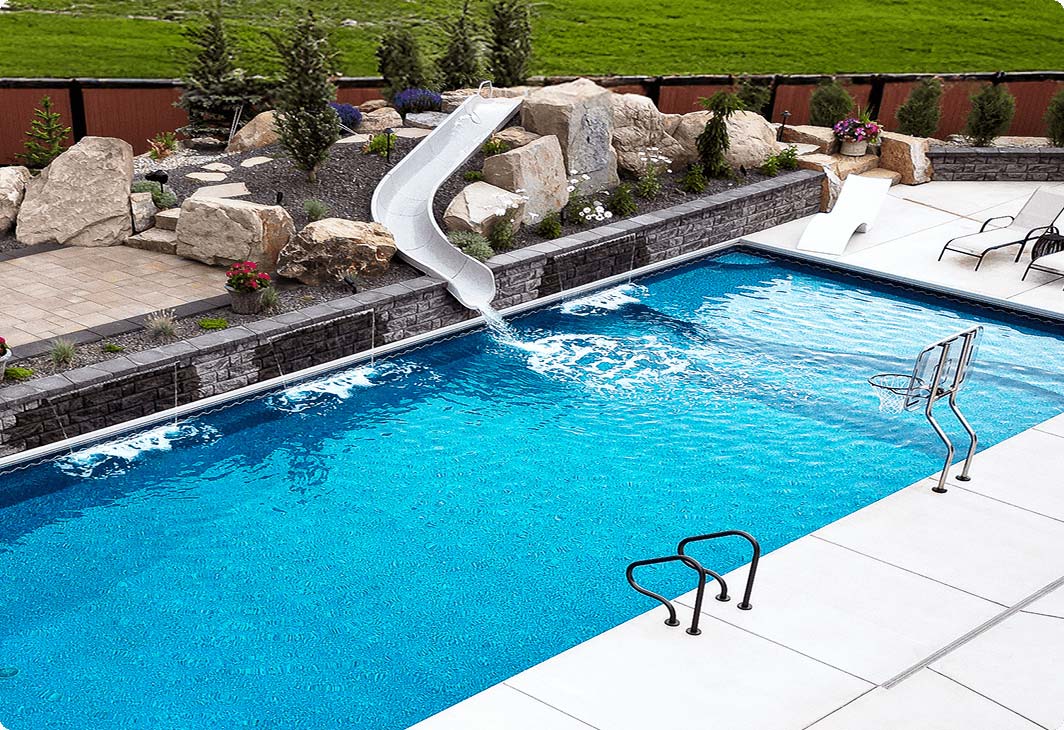
A properly opened pool is clean, balanced, and ready the first time you step in. This checklist gets you there without the guesswork.
Before You Start: Timing and Supplies
The right time to open your pool in West Virginia and Ohio is when overnight temperatures are consistently staying above 50 degrees. Opening too early when nights are still dropping into the 30s is a waste of chemicals. Opening too late lets algae get a head start. In the Mid-Ohio Valley, mid-April to early May is typically the sweet spot.
Gather these supplies before you begin so you are not making multiple trips to the store mid-project:
- Water test kit or test strips (a drop-based kit gives more accurate readings)
- pH increaser and pH decreaser
- Alkalinity increaser
- Calcium hardness increaser
- Chlorine shock
- Cyanuric acid (stabilizer) if needed
- Pool brush and vacuum
- Skimmer net
- Garden hose
- Teflon tape and spare O-rings for equipment connections
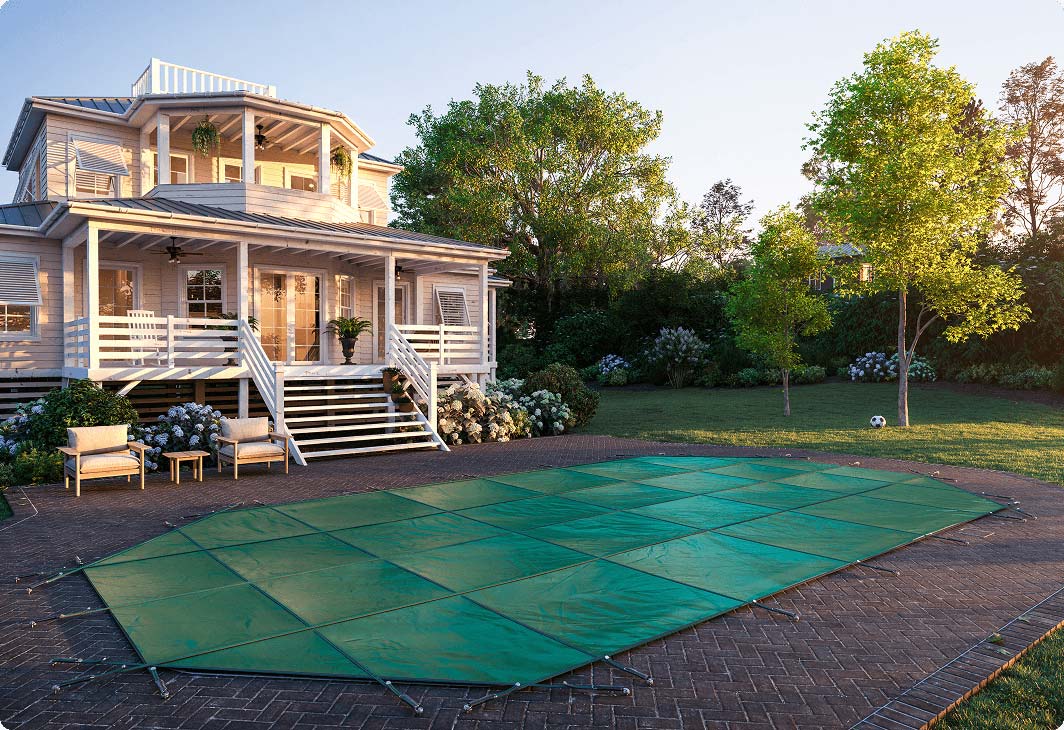
Getting the cover off cleanly is the first step and one of the most important. A sloppy removal can dump debris directly into the pool.
The Opening Checklist: Step by Step
Remove and Clean the Winter Cover
Use a submersible pump or cover pump to remove any standing water sitting on top of the cover before you pull it off. Lifting a waterlogged cover dumps everything sitting on it directly into your pool.
Once removed, lay the cover flat on the grass and rinse it thoroughly. Allow it to dry completely before folding and storing it. A damp cover stored in a bag is a cover that will come out next fall smelling like a science experiment.
- Pump standing water off the cover surface
- Remove cover carefully without dumping debris into pool
- Rinse, dry, and inspect cover for tears or damage
- Fold and store in a cool, dry location
Inspect the Pool Shell and Interior
With the cover off, take a walk around and look carefully at the pool surface, steps, and walls before you do anything else. For Latham fiberglass pools with Crystite finish, the surface should look essentially the same as when it was installed. Note any staining, discoloration, or unusual marks so you can address them before filling.
- Inspect shell surface for staining or discoloration
- Check steps and benches for slipping hazards or debris
- Inspect underwater lights for cracked lenses or loose fittings
- Check handrails and ladders for loose bolts
- Look at the tile line and coping for any winter damage
Fiberglass note: Minor staining on fiberglass can usually be removed with a non-abrasive fiberglass cleaner before the pool fills. Do not use anything abrasive on the Crystite surface.
Reconnect and Inspect Equipment
This is the step most homeowners rush through and regret. Take your time here. Every fitting that leaks costs you water, chemicals, and potentially a service call.
- Reinstall all winterization drain plugs in the pump, filter, and heater
- Reconnect all plumbing fittings removed for winter
- Inspect all O-rings and gaskets and replace any that look cracked or flattened
- Reinstall skimmer baskets and pump basket
- Check heater connections and inspect the burner if gas
- Reconnect any automation systems or timers
- Inspect the filter media (backwash a sand filter, rinse a cartridge filter)
Do not start the pump until the water level is at least at the middle of the skimmer opening. Running a pump dry even briefly can damage the seals and impeller.
Fill the Pool to the Correct Level
Use a garden hose to fill the pool until the water sits at the midpoint of the skimmer opening. This is the level at which the skimmer operates most efficiently. As the pool fills, walk the perimeter and watch for any unusual seepage around fittings or returns.
- Fill to mid-skimmer opening
- Watch for leaks at returns and fittings during filling
- Check that the auto-fill valve is functioning if you have one
Start Up the Equipment and Check for Leaks
Prime the pump according to the manufacturer's instructions, then start the system. Stay near the equipment pad for the first ten minutes and watch every connection point for drips or sprays. A small drip at a fitting caught now is a five-minute fix. That same drip ignored for a week can become a flooded equipment pad.
- Prime the pump before starting
- Start filter and run at normal pressure
- Note starting PSI on the filter pressure gauge as a baseline
- Check all fittings and unions for leaks
- Confirm all return jets are flowing
- Test heater by raising the thermostat and confirming ignition
- Let the system run for at least one hour before testing water
Test and Balance the Water Chemistry
This is the step that separates a properly opened pool from one that turns green by Memorial Day. Do not skip any of these measurements, and do not add chemicals all at once. Adjust alkalinity first, then pH, then calcium hardness, then chlorine. Each adjustment affects the others, so give each chemical time to circulate before testing again.
| Chemical | Target Range | Why It Matters |
|---|---|---|
| Total Alkalinity | 80 to 120 ppm | Stabilizes pH and prevents rapid swings |
| pH | 7.4 to 7.6 | Affects swimmer comfort and chemical effectiveness |
| Calcium Hardness | 200 to 400 ppm | Protects the shell surface and equipment |
| Cyanuric Acid | 30 to 50 ppm | Protects chlorine from UV degradation |
| Free Chlorine | 1 to 3 ppm | Primary sanitizer, keeps water safe |
Opening shock: After balancing your chemistry, shock the pool with a double dose of chlorine shock to eliminate anything that built up over winter. Run the filter for 24 hours after shocking before testing again.
Brush, Vacuum, and Clean
Even a pool that looks clean after winter will have algae spores and fine debris settled on the walls and floor. Brush the entire pool surface from top to bottom to knock everything into suspension, then let the filter run for an hour before vacuuming.
- Brush all walls, steps, and floor thoroughly
- Vacuum the pool floor (to waste if your system allows, to avoid cycling debris through the filter)
- Clean skimmer baskets and pump basket
- Clean the waterline tile or coping with a non-abrasive cleaner
- Backwash or rinse the filter after vacuuming
Final Inspection and Safety Check
Before anyone gets in the water, do a final walkthrough of the entire pool area. This is the step that protects your family, not just your equipment.
- Retest water chemistry 24 hours after shocking
- Confirm all lights are working
- Test and inspect pool fence gates and latches
- Check that safety equipment (life ring, reaching pole) is in place
- Reinstall any pool toys, floats, or accessories
- Set your timer or automation schedule for the season
- Mark your starting filter PSI so you know when it needs backwashing
Not sure if your pool equipment is ready for another season? Casey's All American Pool offers professional pool maintenance and inspection services across the Mid-Ohio Valley. Learn more about our maintenance services here.
Quick Reference: Your Spring Opening Summary
Complete This List Before Your First Swim
One Last Thing
A fiberglass pool is the easiest pool type to open in the spring because there is no liner to inspect for tears and no rough concrete surface trapping algae over winter. If your current pool is making spring openings harder than they need to be, that is worth a conversation.
Have Questions About Pool Maintenance?
Browse our FAQ page for answers on pool care, water chemistry, installation timelines, and more.
Ready to Make Next Spring Even Easier?
A Latham fiberglass pool from Casey's All American Pool means less maintenance, fewer chemicals, and a faster opening every single season. Serving Parkersburg, Belpre, and the entire Mid-Ohio Valley.
Parkersburg, WV: 304-464-1155 | Belpre, OH: 740-315-5055